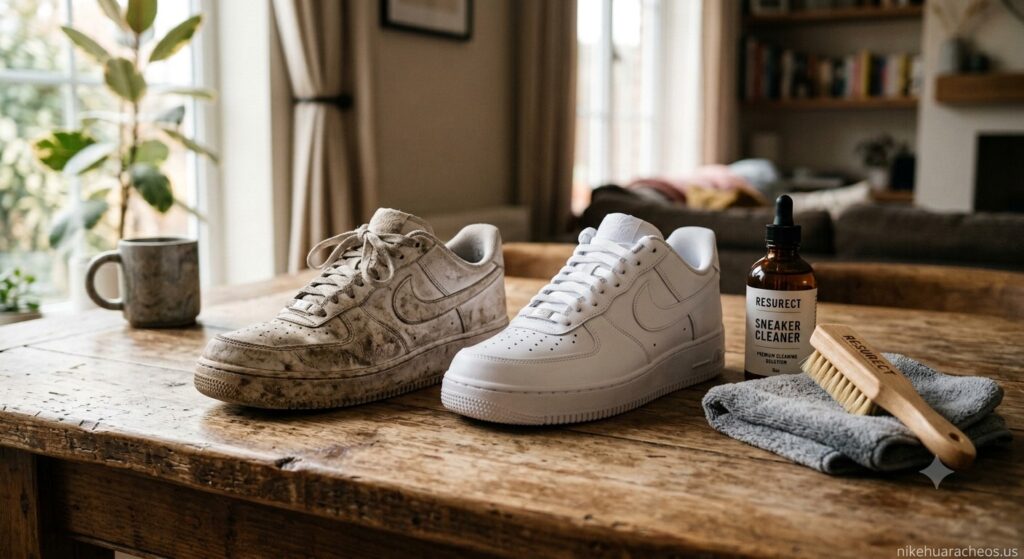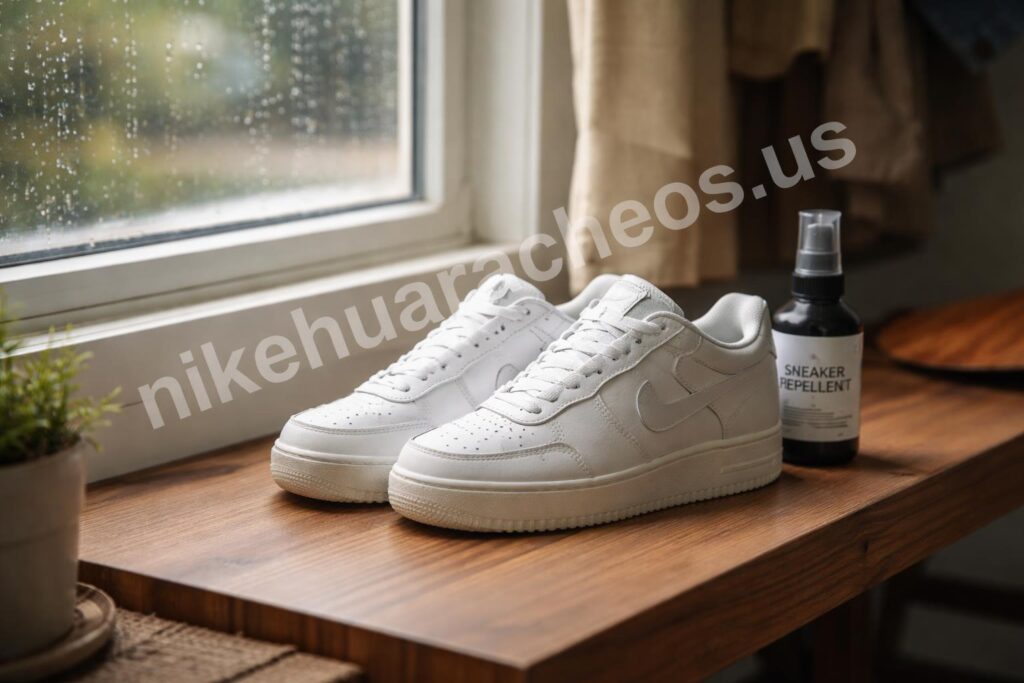
Nike shoes pick up dirt fast, but water is usually the thing that really messes with them. A wet pair can dry with ugly marks, stiff spots, and that tired look that makes new shoes seem older than they are.
If you ignore that, the problem usually gets worse with every rainy walk or damp commute. And once the upper starts showing stains, it’s a pain to get back to clean-looking shoes.
So the real question isn’t just which spray works. It’s which water repellent spray for Nike shoes makes sense without ruining the material, changing the color, or leaving that weird sticky finish some sprays do.
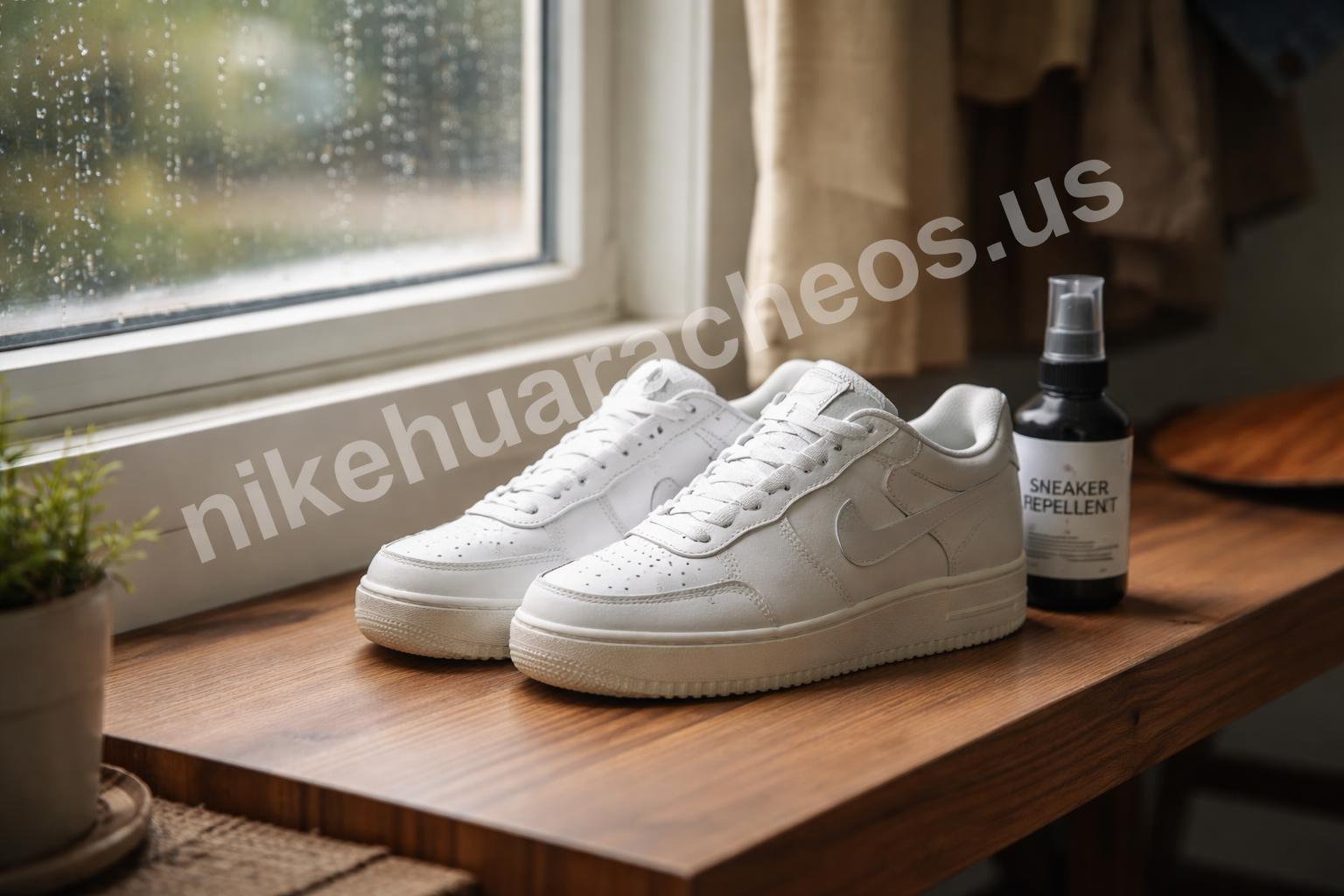
What actually matters before you spray Nike shoes
Not every Nike shoe needs the same kind of protection. That’s the first thing people miss, and it’s why some good sprays still disappoint.
Mesh running shoes, leather Air Force 1s, suede pairs, and knit trainers all behave differently. A spray that works fine on leather can look messy on suede, and a heavy coating can make breathable shoes feel worse.
The best spray is the one that protects without changing how the shoe feels. That matters more than fancy packaging or a long claims list.
Pick the spray based on the upper material
Nike uses a lot of different materials, even within the same line. So before buying, check what your shoes are made of.
Here’s the simple version:
- Leather and synthetic leather: most repellents work well here
- Mesh and knit: use a light, even spray so you don’t clog the fabric
- Suede and nubuck: choose a product made for delicate materials
- Mixed-material shoes: go with the most sensitive material on the shoe, not the toughest one
One thing I learned the hard way is that a spray can look perfect on the box and still be the wrong choice for a pair with suede trim. That tiny detail can change the whole result.
Why drying time matters more than people think
A lot of sprays say they work fast. That sounds nice, but in real use, the drying time is part of the result.
If you wear the shoes too soon, the coating can feel uneven. If you rush a second coat, you can get blotches. And if you spray in a closed room, the smell can hang around longer than you want.
My practical rule is simple: spray early, let them sit, and don’t try to speed things up too much.
The sprays that make the most sense right now
I’m not going to pretend there’s one perfect product for every Nike shoe. There really isn’t.
But there are a few types of sprays that consistently make sense depending on what you wear most.
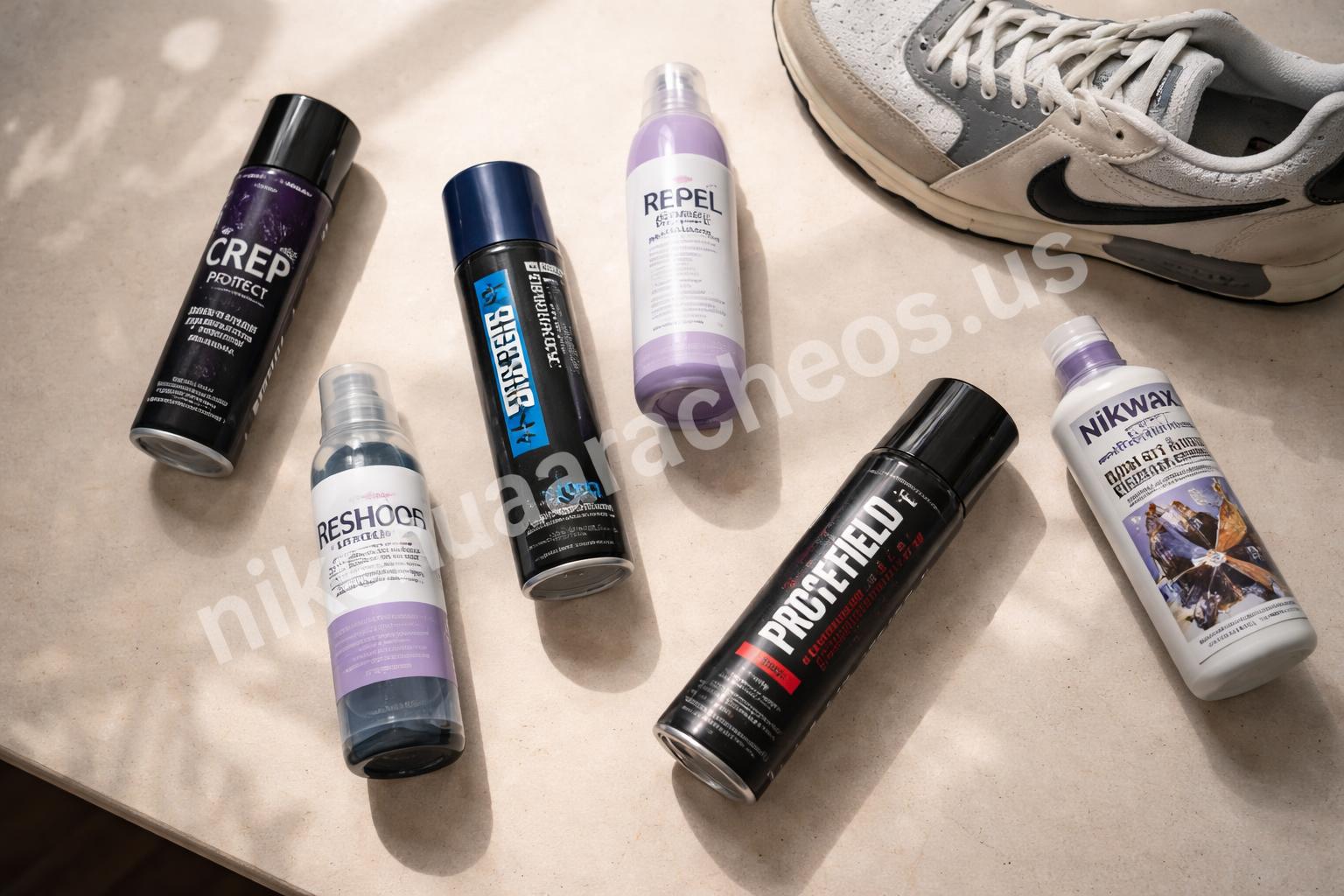
1. Crep Protect Spray
This is one of the names people mention first for sneaker protection, and for good reason. It’s popular because it’s easy to use and aimed at everyday sneaker wear, not just heavy-duty outdoor gear.
The big advantage is that it tends to fit the way most people actually wear Nike shoes. You want protection for the walk to work, the quick grocery run, the surprise rain shower, not a complicated care routine.
What I like about this style of spray is that it usually dries clear and doesn’t make the shoe feel overloaded. That’s a big deal on Nike runners and casual sneakers, where the shape and finish matter a lot.
The catch is that you still need to apply it carefully. Spray too much in one spot and you can end up with a darker patch or uneven coverage. That’s completely normal with most repellents, and it’s why thin coats beat one heavy coat.
Best for: everyday Nike sneakers, casual leather pairs, and mixed-material shoes.
2. Jason Markk Repel
Jason Markk has a strong reputation in sneaker care, and this spray is often the one people reach for when they want something a little more premium-feeling.
It’s a good fit if you care about keeping the shoe looking natural. Some sprays leave you wondering if they changed the texture. This one is usually chosen because people want protection without a loud finish.
That said, the real value is in the restraint. You’re not buying a miracle bottle. You’re buying a cleaner, more controlled way to help shoes resist water and everyday grime.
Best for: Nike lifestyle sneakers, white leather pairs, and people who want a more careful finish.
3. Scotchgard Fabric & Water Shield
This is the practical option a lot of people overlook. It’s not a sneaker-specific brand, but it’s widely used for fabric protection, and many people buy it because it’s easy to find.
For Nike shoes with mesh or textile uppers, it can be a solid choice if you follow the instructions closely. The key is light application. Fabric sprays can soak in faster than expected, and that’s where mistakes happen.
One thing I noticed with fabric protectors in general is that people treat them like a single all-purpose fix. They’re not. They work best when you respect the material and keep the spray light.
Best for: mesh Nike runners, knit uppers, and fabric-heavy shoes.
4. Nikwax Fabric & Leather Proof
If you’re protecting a shoe that mixes leather and fabric, this type of product can make sense. It’s especially useful when you don’t want to separate the shoe into “this part gets one spray, that part gets another.”
The nice part here is that it’s built with both fabrics and leather in mind. That makes it easier for everyday shoes that don’t fall into one neat category.
It’s not the flashiest option, and honestly, that’s part of the appeal. It feels like the practical choice for someone who wants the job done without a lot of drama.
Best for: mixed-material Nike shoes and people who want one product for more than one surface.
5. Kiwi Select All Protector
This is another straightforward option that gets attention because it’s easy to understand. It’s meant to help protect different shoe materials from water and stains, which is exactly the kind of use most Nike owners want.
The good thing is that it tends to sit in the middle ground. Not too specialized, not too fussy. If you’re buying for a household where different shoes need care, that can be convenient.
The downside of middle-ground products is also obvious: they rarely feel like the best possible match for one exact material. So if you have delicate suede Nike shoes, I’d still lean toward a spray made specifically for suede.
Best for: general sneaker protection and simple all-around use.
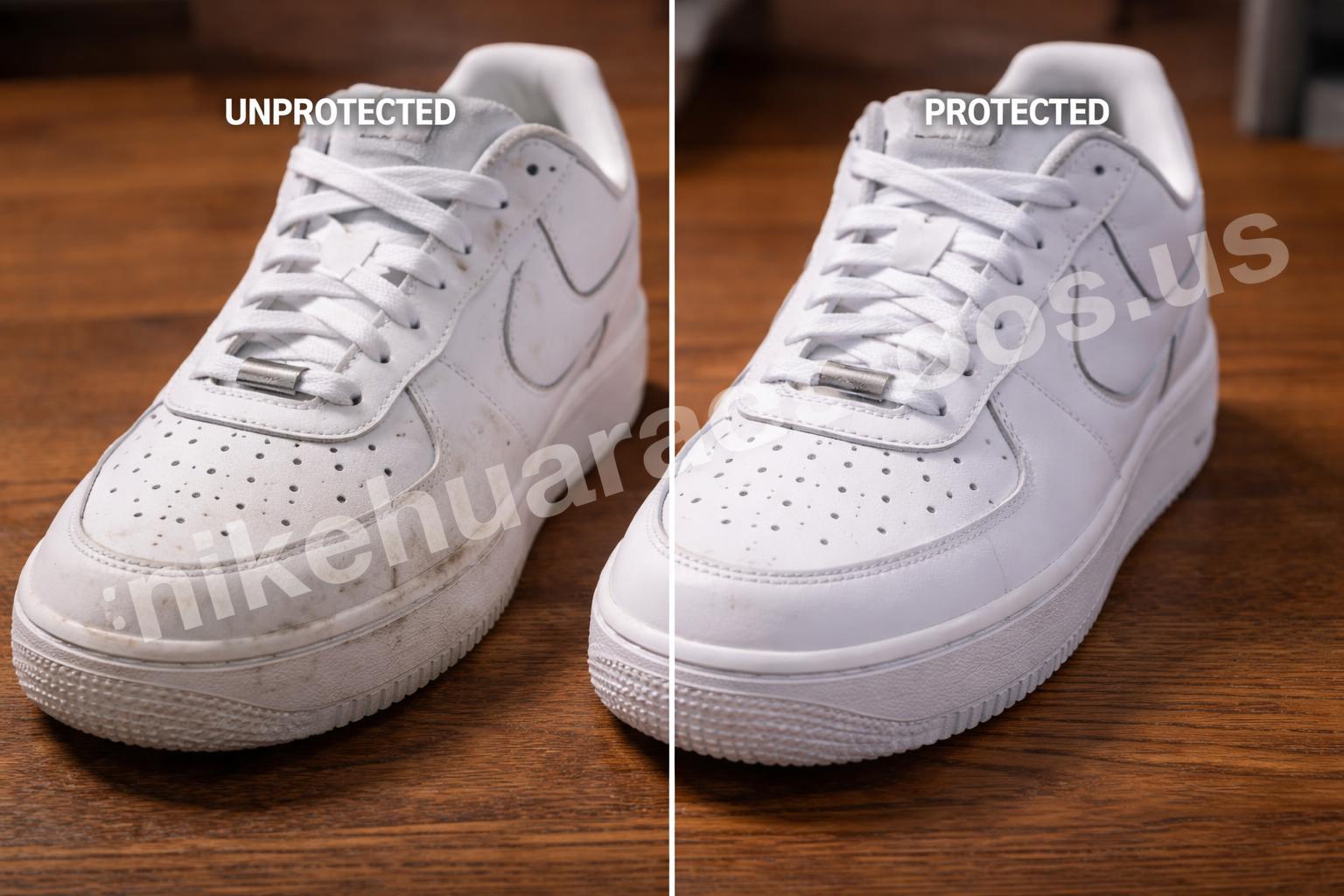
How to choose the right one without overthinking it
You don’t need to turn this into a big research project. But you do want to compare the right things before buying.
A lot of people focus only on the brand name. That’s a mistake. Final value depends on more than that.
Compare these things first
- Material match: leather, mesh, suede, knit, or mixed
- Bottle size: bigger isn’t always better if you only need one pair
- Drying time: faster sounds better, but even application matters more
- Finish: clear, matte, or slightly darkening
- Seller trust: official seller, retailer reviews, return policy
- Shipping cost: sometimes this changes the real price more than the product itself
Always compare the final checkout price, not just the listed price. That sounds obvious, but it’s where people get tripped up.
If you’re shopping online, also check whether the spray is sold directly by the brand or by a third-party seller. With care products, trust matters. A bad bottle or old stock can be more annoying than the money you saved.
Match the spray to the shoe you wear most
If your Nike collection is mostly white leather sneakers, the choice is simpler. Go with a spray known for clear protection and a clean finish.
If you wear running shoes or gym shoes made with mesh, look for a lighter fabric-safe option.
If you wear suede or nubuck often, don’t guess. Use a product made for those materials, even if it costs a little more. A cheaper all-purpose spray can end up costing more if it changes the look of the shoe.
How to apply spray the right way
This part sounds simple, but application is where most bad results happen. Not because the spray is bad. Because people rush.
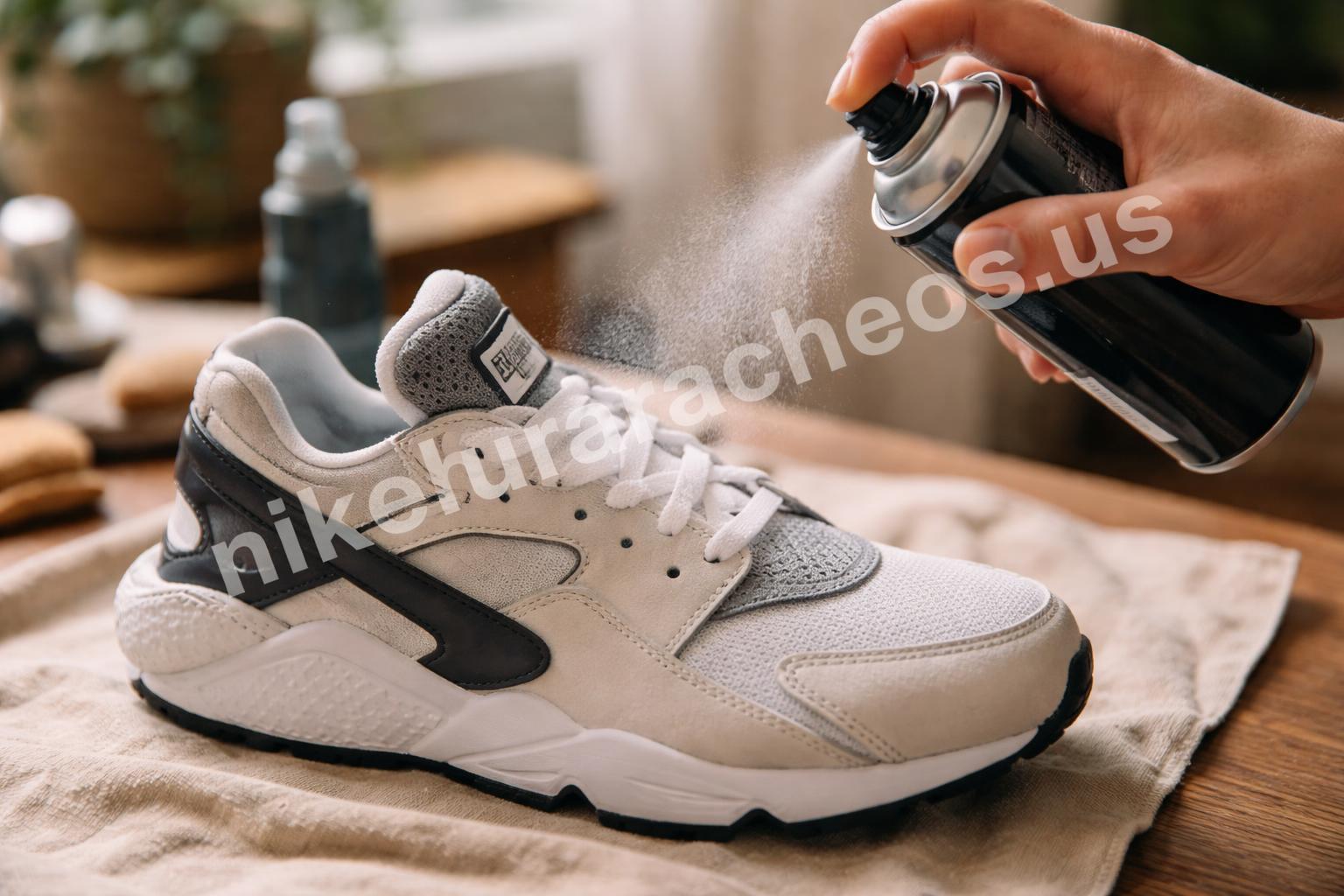
A basic process that works
-
Clean the shoe first.
Dirt traps the spray unevenly, and that can leave marks. -
Let the shoe dry fully.
Wet shoes and repellent spray don’t mix well. -
Test a hidden spot.
This is especially important for suede, nubuck, and colored fabric. -
Hold the bottle at the right distance.
Too close and you can soak one area. Too far and coverage gets patchy. -
Use thin coats.
One light coat is better than one heavy blast. -
Let it dry completely before wearing.
Rushing here is how a lot of people ruin the finish.
That last step is the one I see skipped most often. People spray shoes and immediately toss them by the door, then wonder why the protection feels uneven.
A small habit that helps
Keep the shoes in a spot with good airflow while they dry. You don’t need anything fancy. Just don’t trap them under a pile of clothes or in a damp corner.
A little patience makes the spray work better. That’s the boring truth.
Best spray choices by Nike shoe type
This is the easiest way to narrow things down if you already know what you wear most.
| Nike shoe type | Best spray direction | What to look for |
|---|---|---|
| Leather sneakers | General protector or sneaker-specific spray | Clear finish, even coverage |
| Mesh runners | Fabric-safe repellent | Light coat, breathable feel |
| Suede/Nubuck | Suede-safe protector | No darkening, no stiffness |
| Knit shoes | Fabric protector | Soft finish, no clogging |
| Mixed materials | Multi-surface protector | Safe for the most delicate part |
A quick rule: when in doubt, buy for the most sensitive material on the shoe.
That saves you from the common mistake of treating all Nike shoes like they’re the same thing. They’re not.
If you wear white Nike shoes
White shoes are a little extra annoying because even clean water can leave a visible edge once it dries. That’s why a good repellent helps more than people expect.
For white leather pairs, a clear-drying sneaker spray is usually the safest bet. For white mesh, you want something light enough that it won’t leave a heavy film.
My own takeaway here is simple: white shoes don’t need a miracle product, they need consistent protection before the first stain shows up.
What to avoid when buying a water repellent spray
Some sprays look fine until you use them. Then the problems show up fast.
Common mistakes people make
- buying a spray that’s not suited to the shoe material
- applying too much at once
- skipping the test spot
- spraying in a closed room
- expecting one coat to last forever
- choosing based only on price
The last one is sneaky. A cheap bottle looks like a deal, but if it runs out quickly or gives weak coverage, it’s not really cheaper.
Also, don’t assume a stronger smell means stronger protection. That isn’t how this works. Sometimes it just means more odor.
A warning about delicate materials
Suede and nubuck need more care than most people realize. They can darken, stiffen, or look uneven if the spray is wrong.
If your Nike shoes use those materials, take the extra minute to read the label. That small check can save you from a frustrating result.
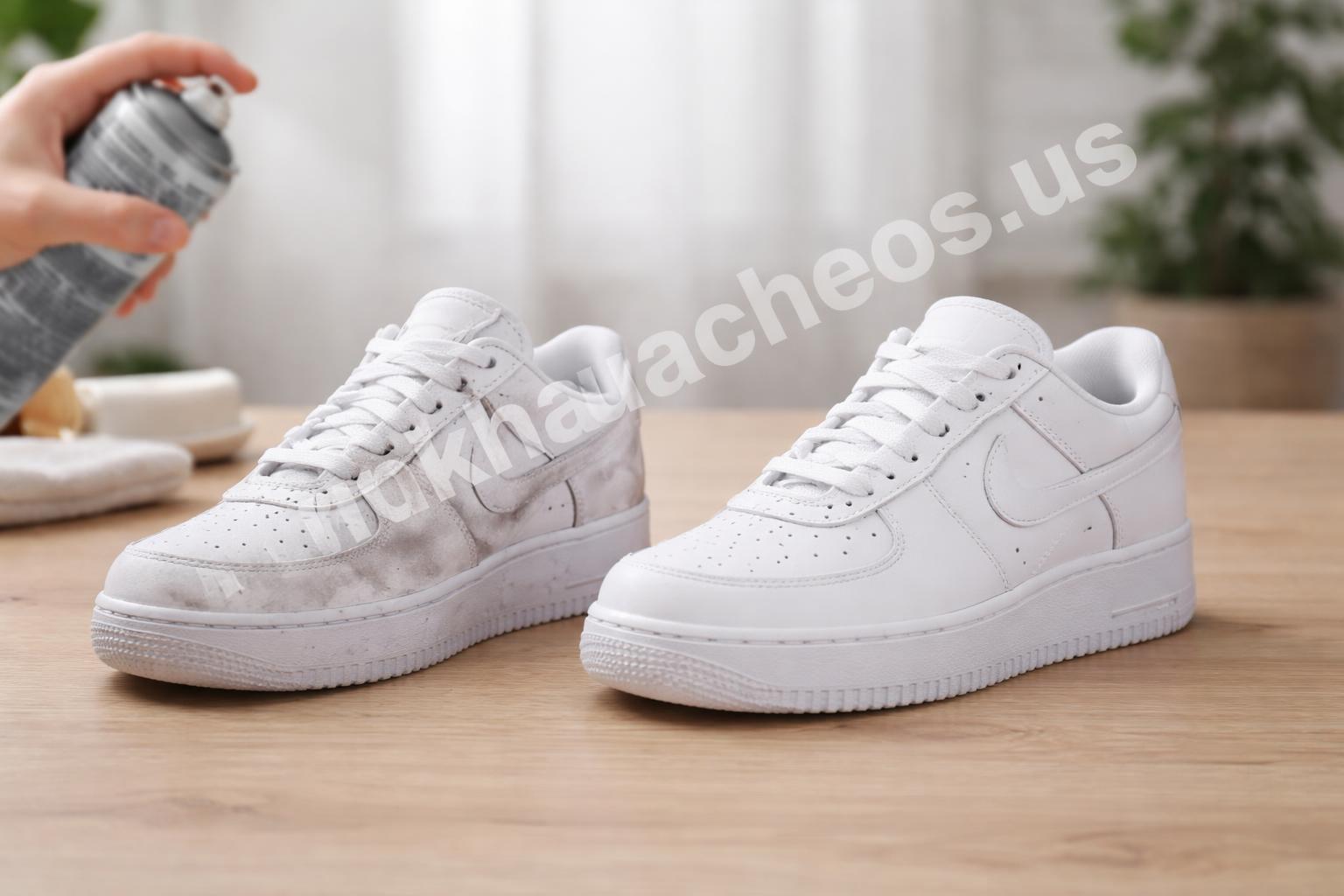
So which one is best?
If you want the short version, here’s how I’d think about it.
- For everyday Nike sneakers: Crep Protect Spray
- For a cleaner, more natural finish: Jason Markk Repel
- For mesh and fabric-heavy shoes: Scotchgard Fabric & Water Shield
- For mixed leather-and-fabric shoes: Nikwax Fabric & Leather Proof
- For a simple general-purpose choice: Kiwi Select All Protector
That doesn’t mean one is magically better for everyone. It means the best spray is the one that fits your shoe and your habits.
If you wear one or two favorite pairs and care about keeping them looking fresh, a sneaker-focused spray is usually worth it. If you’re just trying to protect several shoes around the house, a general protector may be enough.
A few final buying tips that actually help
Don’t let the search get too complicated. A lot of sneaker care just comes down to buying the right thing and using it the right way.
Quick checklist before you order
- Check the shoe material first
- Read a few recent reviews
- Compare final price with shipping
- Make sure the seller looks trustworthy
- Look for return info if the bottle arrives damaged
- Pick the spray with the safest fit, not just the loudest marketing
The best water repellent spray for Nike shoes is the one that protects without changing the shoe’s look or feel. That’s the real standard.
And once you find a spray that works for your usual pair, stick with it for a while. Constantly switching products sounds interesting, but it usually just creates more chances for a bad result.
Final thought
Nike shoes hold up better when you protect them before the first real storm, not after the damage shows up. That’s the part people usually learn the hard way.
For me, the best habit is still the simplest one: keep one reliable spray on hand, use it lightly, and give the shoes time to dry. It’s not exciting, but it saves a lot of regret later.